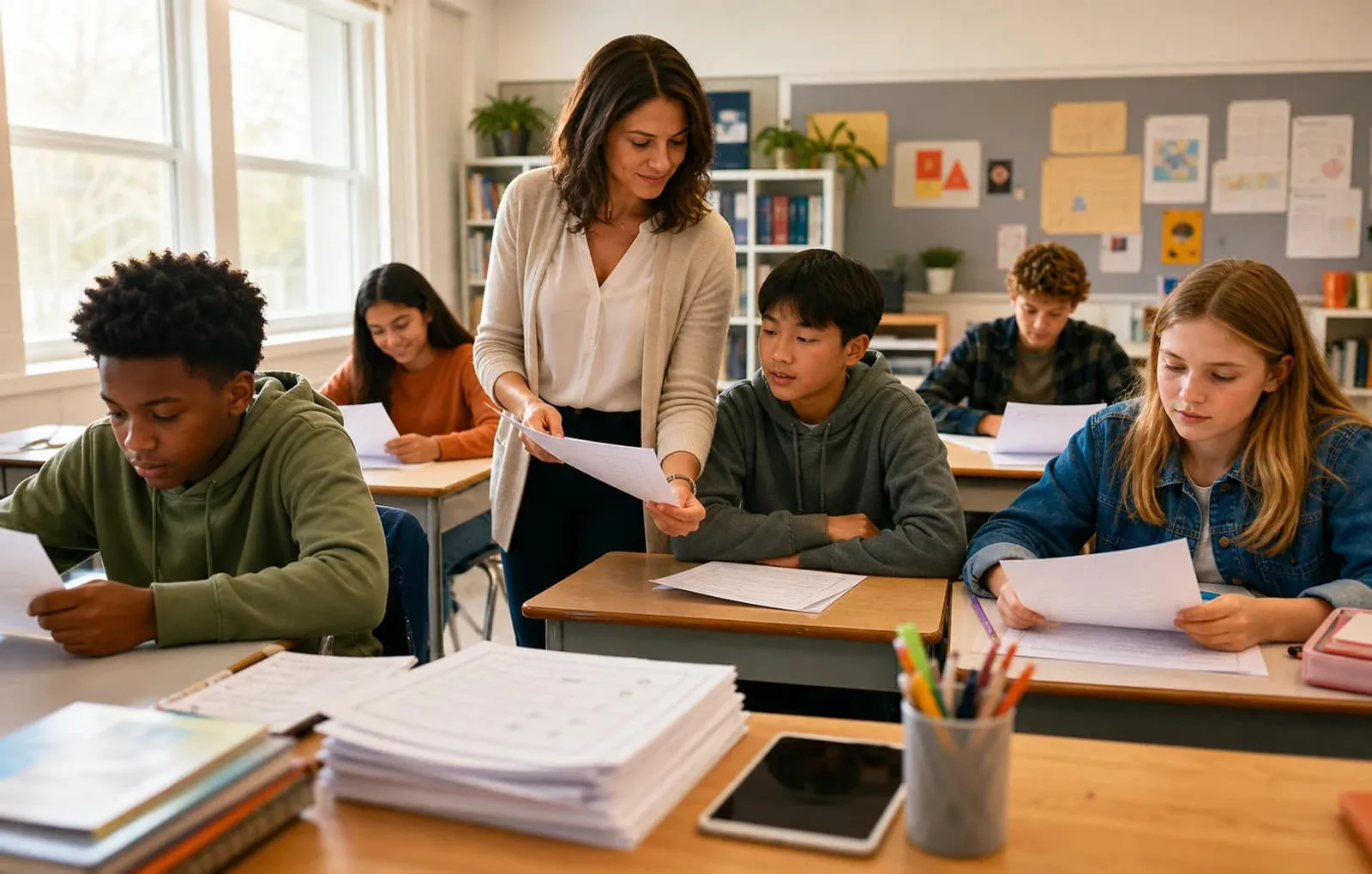
Young people today face a rapidly changing world that demands adaptability, resilience, and a broad set of practical skills. Traditional education systems often focus on academic knowledge, but many students benefit from programs that also emphasise personal development, career readiness, and community engagement. Structured initiatives designed to guide young individuals toward meaningful opportunities can play an important role in preparing them for future success.
A well-designed youth pathways program provides students with opportunities to explore their strengths, develop practical skills, and gain exposure to potential career and educational pathways. These programs often combine mentoring, experiential learning, and real-world experiences to help young people build confidence and make informed decisions about their future.
Such initiatives often rely on purposeful partnerships between schools, community organisations, industry professionals, and mentors. These collaborations create supportive environments where students can learn valuable life skills while gaining insights into various professional and social opportunities.
Building Confidence and Self-Awareness
One of the most significant benefits students gain from development programs is increased confidence. Many young people struggle with self-doubt as they navigate academic expectations and future career decisions.
Through structured activities, mentoring sessions, and group interactions, students begin to recognise their strengths and capabilities. They learn to express their ideas, share opinions, and participate actively in discussions.
Self-awareness is another essential skill developed during such programs. By reflecting on their interests, abilities, and goals, students gain a clearer understanding of their potential. This awareness helps them make more informed decisions about education, careers, and personal development.
Confidence and self-awareness form the foundation for many other life skills, enabling students to approach challenges with a positive mindset.
Developing Communication and Interpersonal Skills
Effective communication is a critical skill for success in both academic and professional environments. Development programs often include activities that encourage students to interact with peers, mentors, and community members.
Students learn how to express ideas clearly, listen actively, and engage in constructive conversations. These experiences help them develop the ability to communicate confidently in different settings.
Interpersonal skills also play a significant role in building positive relationships. Students learn to collaborate with others, respect diverse perspectives, and work effectively as part of a team.
These abilities not only improve academic performance but also prepare students for workplace environments where teamwork and communication are essential.
Strengthening Problem-Solving and Critical Thinking
Another key skill developed through structured youth programs is critical thinking. Students are encouraged to analyse situations, evaluate options, and make thoughtful decisions.
Problem-solving activities often involve real-world scenarios that require creativity and logical reasoning. By engaging in these challenges, students learn how to approach problems systematically and develop practical solutions.
Critical thinking also helps students assess information carefully rather than accepting it at face value. In a world where information is widely accessible, the ability to evaluate sources and make informed judgments becomes increasingly valuable.
These skills prepare students to navigate complex situations in both academic and professional contexts.
Enhancing Leadership and Responsibility
Leadership development is often a central focus of youth initiatives. Students are given opportunities to take initiative, organise activities, and guide group projects.
Through these experiences, young people learn how to motivate others, manage responsibilities, and make decisions that benefit the entire group. Leadership roles help students understand accountability and the importance of contributing positively to their communities.
Even students who do not initially see themselves as leaders can develop leadership qualities through participation and encouragement. These qualities include confidence, empathy, and the ability to inspire others.
Developing leadership skills early in life helps students build the confidence needed to take on challenges and pursue opportunities in the future.
Encouraging Career Awareness and Exploration
Many students feel uncertain about their future career paths. Youth development programs provide valuable opportunities for career exploration and exposure to different industries.
Students may participate in workshops, mentorship sessions, or visits to workplaces where they can learn about various professions. These experiences help them understand the skills and qualifications required for different career paths.
Career awareness also encourages students to set realistic goals and develop plans for achieving them. By understanding the connection between education and career opportunities, students become more motivated to pursue their ambitions.
Exposure to diverse career options helps students broaden their perspectives and consider possibilities they may not have previously imagined.
Promoting Resilience and Adaptability
Resilience is the ability to overcome challenges and continue moving forward despite setbacks. In today’s dynamic world, this quality is essential for long-term success.
Youth programs often include activities that encourage students to step outside their comfort zones. Whether through group projects, public speaking, or problem-solving exercises, students learn how to handle unfamiliar situations.
These experiences teach them that mistakes and setbacks are part of the learning process. Instead of becoming discouraged, students learn to view challenges as opportunities for growth.
Adaptability is closely related to resilience. As students encounter new environments and expectations, they develop the flexibility needed to adjust to changing circumstances.
Fostering Community Engagement and Social Responsibility
Another important outcome of youth development programs is increased awareness of community issues and social responsibility. Students are often encouraged to participate in community service projects or collaborative initiatives that benefit others.
Through these experiences, students gain a deeper understanding of the challenges faced by different communities. They learn the importance of empathy, cooperation, and active citizenship.
Community engagement helps young people recognise their potential to create positive change. It also encourages them to develop a sense of responsibility toward society.
Participating in community activities allows students to build meaningful connections while contributing to the wellbeing of others.
Supporting Long-Term Personal and Professional Growth
The skills developed through youth initiatives extend far beyond the duration of the program. Confidence, communication abilities, leadership qualities, and problem-solving skills continue to benefit students throughout their lives.
These skills also support academic success. Students who feel confident and motivated are more likely to engage actively in learning and pursue further education.
In professional environments, employers often value soft skills such as teamwork, adaptability, and effective communication. Students who have developed these abilities early are better prepared to transition into the workforce.
Youth development programs therefore play an important role in shaping well-rounded individuals who are ready to face future challenges.
Conclusion
Youth development initiatives provide valuable opportunities for students to build essential life skills that extend beyond traditional classroom learning. By participating in structured activities, mentorship programs, and real-world experiences, students gain confidence, communication skills, leadership abilities, and career awareness.
These programs also encourage resilience, critical thinking, and community engagement, helping young people develop into responsible and capable individuals. The combination of practical experiences and supportive guidance prepares students to navigate both academic and professional pathways successfully.
By investing in initiatives that support youth development, communities can empower the next generation with the knowledge, skills, and confidence needed to thrive in an ever-changing world.