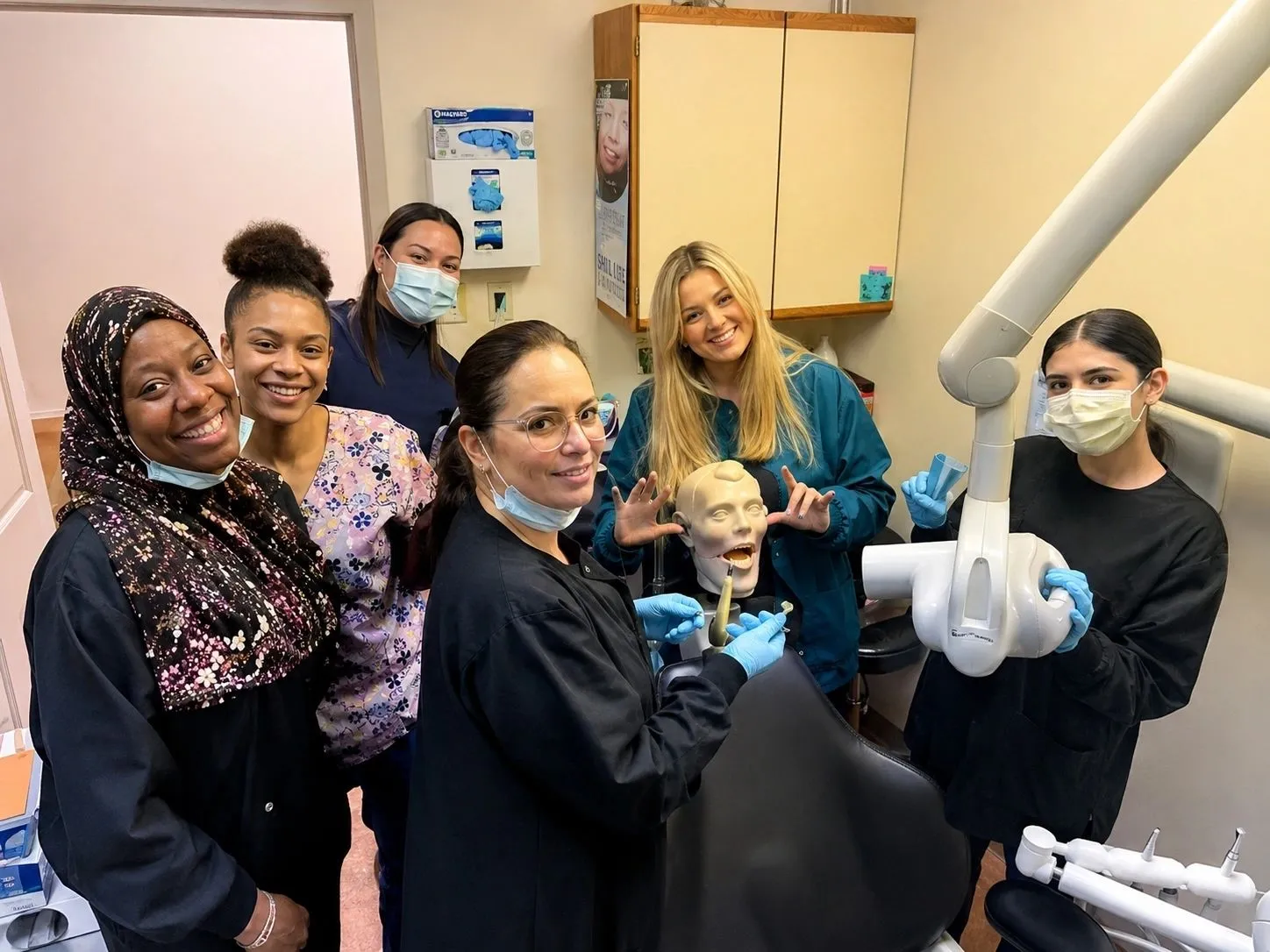
A dental assistant supports much more than the physical procedure taking place in the chair. The role can involve preparation, infection control, communication, recordkeeping, equipment, materials, and coordination with the wider dental team. For students preparing to enter the profession, a useful training program should therefore develop a combination of technical skills and professional habits.
Understanding these skill areas can help future students judge whether a course is preparing them for the realities of an entry-level dental office.
Treatment Room Preparation
Good chairside support begins before the patient sits down. A dental assistant may need to prepare the operatory, gather instruments, confirm materials, check equipment, and make sure the room is ready for the planned procedure.
Students considering a Dental Assistant Program in Philadelphia should look for training that explains setup as a system rather than a list of objects. The assistant needs to understand why items are arranged in a certain order and how preparation can reduce interruptions during treatment. Organization is a practical skill. It improves through repetition and feedback.
Instrument Recognition and Transfer
Dental instruments can look similar to a beginner, yet each has a specific purpose. Students must gradually learn to identify common instruments and handle them safely. Four-handed dentistry also requires coordination between the dentist and assistant. An instrument should be transferred securely, at the right time, and in a way that does not distract from the procedure.
Practice sessions can help students learn this rhythm. Speed should come later; accuracy and safety should come first.
Infection Control and Sterilisation
Every dental assistant needs a strong understanding of infection-control routines. These responsibilities may include preparing surfaces, using personal protective equipment, handling contaminated items, processing instruments, and keeping clean and contaminated areas separate. Students should learn the complete workflow instead of memorizing isolated steps. Knowing what happens before, during, and after a procedure helps reduce the chance of skipping an important task.
Reliable infection-control habits are also a sign of professionalism because they protect patients, coworkers, and the assistant.
Dental Materials and Procedure Support
Dental assistants may work with a variety of materials used during restorative, prosthetic, preventive, or other procedures. Training can introduce students to mixing, timing, handling, and organizing these materials. The assistant does not need to become the dentist, but understanding the procedure makes support more effective. A student who knows the general sequence can prepare the next item, manage the workspace, and respond more confidently to instructions.
Hands-on practice is particularly useful because materials often make more sense when students can see and handle them.
Communication With Patients and the Team
A dental office can be stressful for patients, especially when they are anxious about treatment. Dental assistants often spend significant time near the patient and can help create a calmer experience through professional communication.
That may mean giving simple directions, listening carefully, protecting privacy, and knowing when a question should be referred to the dentist.
Team communication matters too. Assistants need to report concerns clearly, confirm instructions, and avoid assumptions when something is uncertain.
Administrative Awareness
Even assistants who work chairside benefit from understanding the front-office side of dentistry. Charting, scheduling, treatment documentation, and patient records connect clinical care with the administrative workflow.
Training does not need to turn every student into a receptionist, but basic office knowledge can make a new assistant more adaptable and better able to understand how the practice operates.
Students researching Dental Assistant Training in Philadelphia can ask whether the curriculum includes both clinical and administrative foundations rather than focusing on only one side of the role.
Career Readiness and Professional Habits
Technical ability alone does not guarantee a smooth first job. Employers also notice punctuality, cleanliness, willingness to learn, communication, and how a new assistant responds to feedback. Students can begin developing these habits during training. Arriving prepared, following clinic rules, keeping work areas organized, and asking thoughtful questions are all forms of career preparation. Resume support and interview practice can also help students explain what they learned during training when applying for entry-level roles.
Conclusion
The transition from classroom learning to chairside work depends on a broad set of skills. New dental assistants need technical knowledge, practical coordination, infection-control habits, communication skills, administrative awareness, and professional discipline. A well-structured program should help students practice these areas together rather than treating them as unrelated subjects. When students understand both the “how” and the “why” behind their responsibilities, they are better prepared to enter a dental office, keep learning from experienced professionals, and contribute to a safe and organized patient experience.