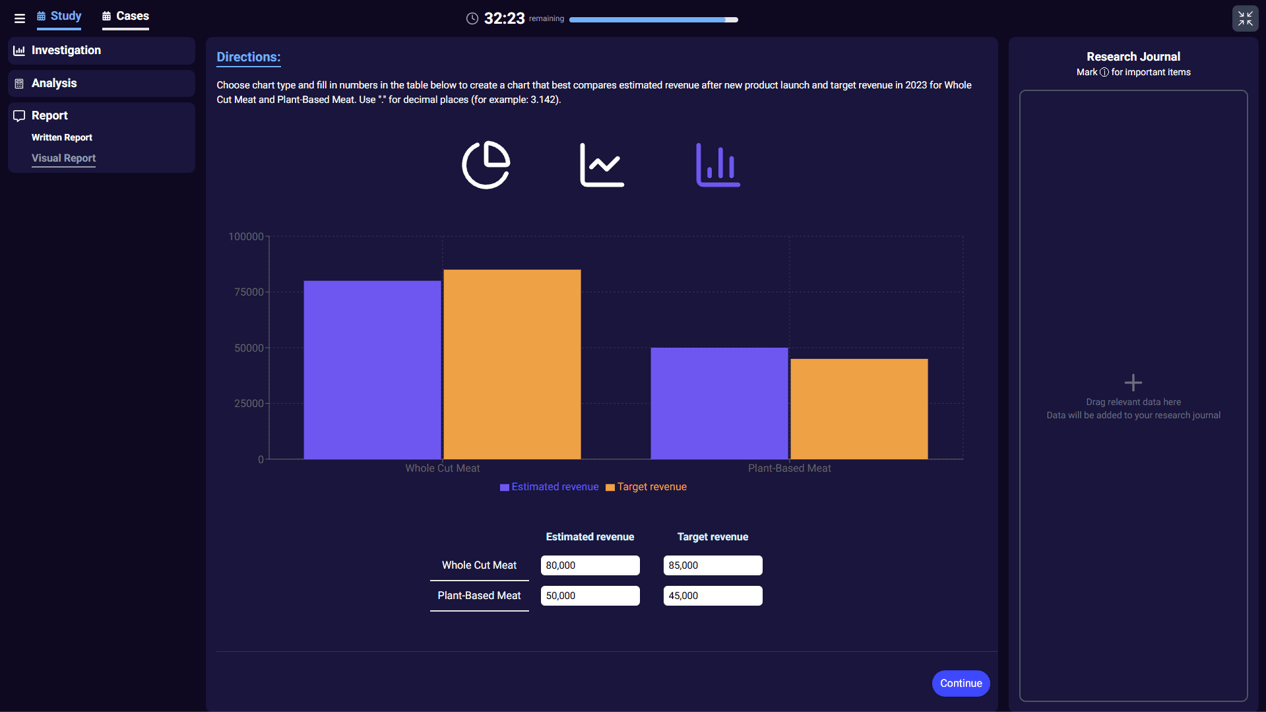
If you are aiming for a consulting job at top firms like McKinsey, you’ve probably heard about the McKinsey Solve Game. This computer-based assessment tests your problem-solving, critical thinking, and decision-making skills before you even get to the interview stage. To give yourself the best chance, it’s important to develop a focused mckinsey solve game practice plan that sharpens the skills the game evaluates. In this article, you’ll discover how to prepare strategically for this unique test and build confidence through consistent practice.
What Is the McKinsey Solve Game and Why Practice Matters?
Before diving into practice strategies, it’s useful to understand what the McKinsey Solve Game involves. It is an interactive, timed assessment consisting of three mini-games that simulate complex scenarios requiring systems thinking, data analysis, and decision-making. It is designed to filter candidates early in the recruitment process by measuring how you think, not just whether you get the right answers.
Many candidates struggle initially because the game interface and challenges are unlike typical tests. Practicing helps you get familiar with the mechanics, manage your time effectively, and develop a clear, logical approach. Practicing the McKinsey Solve Game not only improves your skills but also reduces stress on test day.
Key Components of an Effective Practice Strategy
Understand the Skills Being Tested
Focus your practice on the core cognitive abilities the game measures:
● Critical thinking: Analyzing complex information carefully
● Decision-making: Choosing the best options under time pressure
● Systems thinking: Seeing how elements interact within a larger structure
● Situational awareness: Maintaining focus and adapting to changes
● Metacognition: Monitoring and adjusting your own problem-solving approach
By improving these areas, you prepare yourself to perform better in each mini-game’s unique challenges.
Break Practice into Focused Sessions
Attempting to practice the entire game at once can be overwhelming. Instead, break your practice into shorter, focused sessions targeting specific skills or mini-games. For example, spend one session working on pattern recognition and another on data interpretation.
This approach helps you build mastery step-by-step and prevents burnout. You can gradually increase session length as your comfort with the game grows.
Use Realistic Practice Simulations
The best way to prepare is through practice that closely mimics the actual game environment. This includes timed exercises that replicate the game’s pacing, interactive elements, and challenge types.
Look for free or paid McKinsey Solve Game simulations that give you hands-on experience with the mini-games. Practicing with realistic simulations helps you get used to the interface and build muscle memory for key actions like data collection, filtering, and analysis.
Practical Tips to Maximize Your Practice Sessions
Start with Tutorials and Interface Familiarization
Before jumping into problem-solving, spend time exploring tutorials or walkthroughs that explain how the game works. Understanding the controls, game objectives, and navigation saves valuable time during practice and the real assessment.
Develop a Structured Problem-Solving Approach
The McKinsey Solve Game rewards not only correct answers but also how you approach problems. During practice, work on developing a clear, logical method:
- Clarify the objective.
- Gather and organize relevant data.
- Identify key constraints and priorities.
- Test different solutions efficiently.
- Review and adjust your choices as needed.
Practicing this structured thinking helps improve your process score.
Track Your Progress and Reflect
After each practice session, take notes on what went well and what needs improvement. Did you run out of time? Were you unclear about the objectives? Tracking your progress helps you refine your strategy and focus on weak spots.
Time Management Is Crucial
Each mini-game has a strict time limit. Practice pacing yourself so you allocate enough time to all parts without rushing or getting stuck on details. Use timers during practice sessions to simulate real conditions.
Use Tools to Organize Your Thoughts
Keep pen and paper handy to jot down important data points, do quick calculations, or map out relationships. Some candidates also use spreadsheets or basic calculators during practice. Find what works best for you and integrate these tools into your sessions.
Staying Consistent and Avoiding Common Pitfalls
Practice Regularly But Avoid Overdoing It
Short, frequent practice sessions (for example, 30-60 minutes a day) are more effective than long, infrequent cramming. Regular practice keeps skills sharp and builds confidence gradually.
Don’t Rely Solely on Guesswork
The game often includes distracting information to test how you prioritize. Avoid guessing and focus on analyzing the data and conditions carefully. This will improve your accuracy and process score.
Keep a Calm and Positive Mindset
The game can be challenging, especially when new scenarios or unexpected twists appear. Practice under timed conditions to get used to pressure, but also remind yourself that it’s normal to make mistakes while learning.
Final Thoughts
Building an effective McKinsey Solve Game practice strategy is essential to standing out in the consulting recruitment process. By focusing on the core skills assessed, practicing with realistic simulations, managing your time wisely, and reflecting on your progress, you can boost both your confidence and performance.
Remember, this assessment is as much about how you think as what you solve. With deliberate practice and a structured approach, you can prepare yourself to navigate the McKinsey Solve Game successfully and move one step closer to landing your dream consulting job.